
Historic floods have increasingly plagued Chiswick, raising concerns about environmental challenges and future resilience. With climate change intensifying weather patterns, the community faces significant risks. This article explores the causes, impacts, and potential solutions to these pressing issues, highlighting the need for proactive measures.
A Growing Concern.
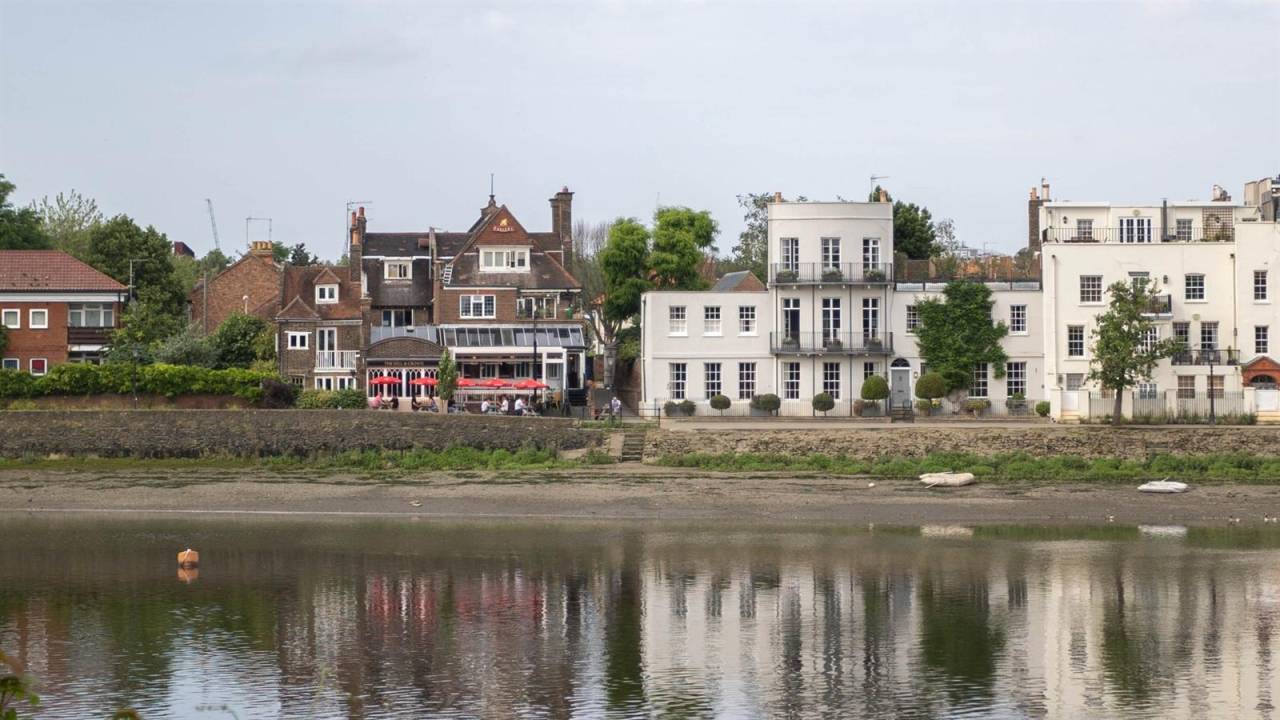
Chiswick has witnessed a series of historic floods over recent years, with each event underscoring the vulnerabilities of this picturesque area. The floods have not only disrupted daily life but have also caused extensive damage to properties and infrastructure. The River Thames, which adds to the charm of Chiswick, has been both a blessing and a curse. During periods of heavy rainfall, the river's banks can overflow, leading to widespread flooding.
The floods in Chiswick are often attributed to a combination of natural and human-induced factors. Climate change plays a significant role, as it has led to more frequent and intense rainfall events. Additionally, urbanisation has reduced the natural absorption capacity of the land, exacerbating flood risks. The paving over of green spaces for development has further diminished the area's ability to manage excess water.
Beyond Flooding.
While flooding is a prominent issue, Chiswick faces broader environmental challenges that require urgent attention. Air pollution is a growing concern, with traffic congestion contributing significantly to deteriorating air quality. The presence of major roads and increasing vehicle numbers have led to higher emissions, impacting public health and the environment.
Moreover, the loss of biodiversity is another pressing issue. As urban areas expand, natural habitats are being encroached upon, threatening local wildlife. The decline in green spaces not only affects biodiversity but also reduces the community's resilience to climate change impacts. Trees and vegetation play a crucial role in absorbing carbon dioxide and mitigating urban heat effects.
Building Resilience.
In response to these challenges, the Chiswick community has been actively seeking solutions to enhance resilience and sustainability. Local authorities and residents are working together to implement measures that address both immediate and long-term environmental concerns.
Efforts to improve flood defences have been prioritised. This includes upgrading drainage systems and constructing barriers to protect vulnerable areas. Community-led initiatives have also emerged, focusing on restoring natural habitats and increasing green spaces. These projects aim to enhance biodiversity while providing natural flood management solutions.
Public awareness campaigns have been instrumental in educating residents about sustainable practices. Encouraging the use of public transport, cycling, and walking helps reduce traffic congestion and air pollution. Additionally, promoting energy efficiency in homes and businesses contributes to lowering carbon footprints.
Sustainable Solutions.
Looking ahead, Chiswick must continue to prioritise sustainable solutions to mitigate environmental challenges. Investing in green infrastructure is crucial for enhancing resilience against future floods. This includes creating more permeable surfaces that allow rainwater to infiltrate the ground naturally.
The integration of technology can also play a vital role in addressing these issues. Smart city solutions, such as real-time monitoring of weather patterns and water levels, can provide early warnings and improve emergency response strategies. By leveraging data-driven insights, authorities can make informed decisions to protect the community.
Collaboration between local government, businesses, and residents is essential for driving meaningful change. By fostering a culture of sustainability and environmental stewardship, Chiswick can become a model for other communities facing similar challenges.
Collective Action.
The historic floods and environmental challenges in Chiswick highlight the urgent need for collective action. While progress has been made, there is still much work to be done to ensure a sustainable future for this vibrant community. By embracing innovative solutions and fostering collaboration, Chiswick can overcome these challenges and thrive in the face of adversity.
As climate change continues to impact weather patterns globally, communities like Chiswick must remain vigilant and proactive. Through resilience-building efforts and sustainable practices, it is possible to safeguard the environment and enhance the quality of life for all residents.
Chiswick History
Chiswicks Historic Floods: Unveiling Environmental Challenges and Solutions
Historic floods have increasingly plagued Chiswick, raising concerns about environmental challenges and future resilience. With climate change intensifying weather patterns, the community faces significant risks.




Comments (0)
You must be logged in to post comments.
Don't have an account? Register here
No comments yet. Be the first to share your thoughts!