
The Evolution of Social Housing in Chiswick.
Chiswick's social housing history reflects broader societal changes, from post-war reconstruction to modern-day challenges. Initially driven by the need for affordable homes, it has evolved through various policies and economic shifts. Today, it continues to adapt, addressing issues like affordability and sustainability.
Early Developments.
The roots of social housing in Chiswick can be traced back to the late 19th and early 20th centuries. During this period, rapid industrialisation and urbanisation led to overcrowding and poor living conditions. In response, the government began to intervene, recognising the need for improved housing standards. The Housing of the Working Classes Act 1890 marked a significant turning point, empowering local authorities to construct housing for those in need.
In Chiswick, the early 20th century saw the development of several housing estates aimed at providing decent living conditions for working-class families. These estates were often characterised by their uniform design and communal facilities, reflecting the social ideals of the time. The emphasis was on creating healthy environments that would foster community spirit and improve public health.
POST-WAR EXPANSION: Meeting Growing Demands.
The aftermath of World War II brought about a housing crisis across the UK, with Chiswick being no exception. Bombing raids had destroyed many homes, and there was an urgent need to rebuild. The government launched a massive house-building programme, prioritising the construction of social housing to accommodate displaced families and returning servicemen.
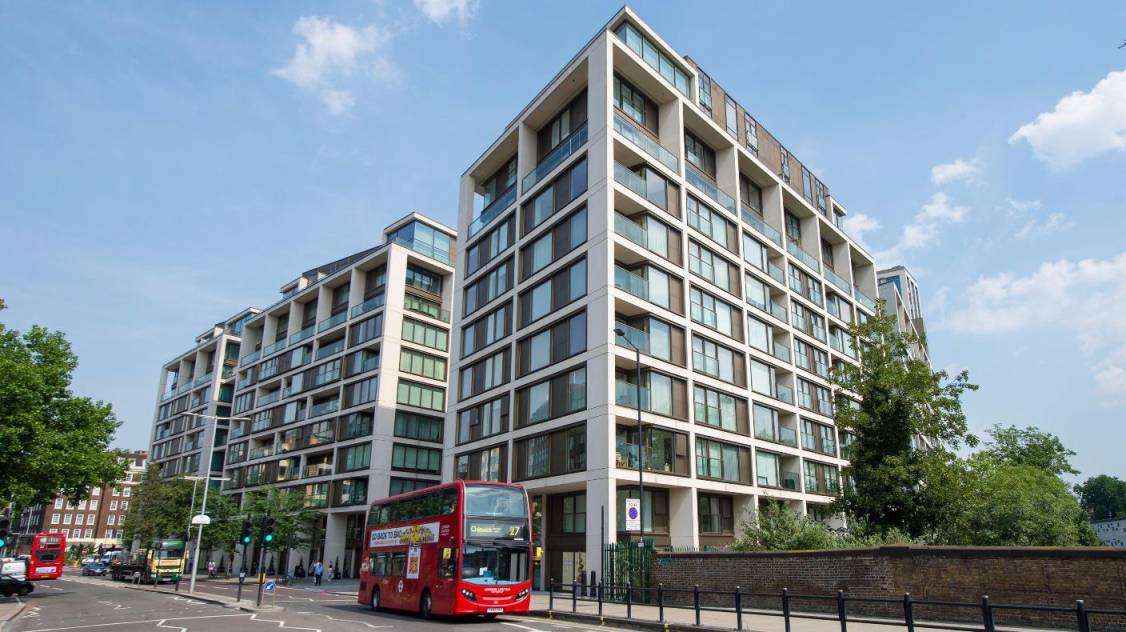
In Chiswick, this era saw the rise of large council estates, designed to provide affordable housing on a significant scale. The architectural style of these estates varied, with some adopting the modernist approach popular at the time, featuring high-rise blocks and innovative designs. However, not all developments were successful; some estates faced criticism for their lack of community integration and maintenance issues.
Adapting to Change.
As the decades progressed, social housing in Chiswick faced new challenges. Economic shifts in the 1980s led to changes in government policy, with a move towards privatisation and reduced funding for public housing. The introduction of the Right to Buy scheme allowed tenants to purchase their homes at discounted rates, significantly reducing the stock of available social housing.
Today, Chiswick grapples with issues such as affordability and sustainability. Rising property prices have made it increasingly difficult for low-income families to find suitable accommodation. Local authorities are tasked with balancing the need for new developments with preserving Chiswick's unique character and green spaces.
Efforts are being made to address these challenges through innovative approaches. For instance, there is a growing focus on sustainable building practices, aiming to reduce environmental impact while providing quality homes. Additionally, community-led housing initiatives are gaining traction, empowering residents to have a say in the development process and ensuring that new projects meet local needs.
Opportunities Ahead.
Looking ahead, the future of social housing in Chiswick will likely be shaped by ongoing economic and social trends. The demand for affordable housing remains high, necessitating continued investment and creative solutions. Collaboration between local authorities, developers, and communities will be crucial in addressing these needs effectively.
Technological advancements also present opportunities for innovation in social housing. Smart home technologies can enhance energy efficiency and improve living standards for residents. Furthermore, digital platforms can facilitate better communication between tenants and housing providers, ensuring that issues are addressed promptly.
Ultimately, the history of social housing in Chiswick is a testament to the resilience and adaptability of its community. As it navigates contemporary challenges, there is potential for positive change that honours its rich heritage while embracing modern solutions. By learning from past experiences and fostering collaboration, Chiswick can continue to provide quality housing that meets the needs of its diverse population.
Chiswick History
Chiswicks Social Housing Journey - From Post-War Roots to Modern Challenges
The Evolution of Social Housing in Chiswick. Chiswick's social housing history reflects broader societal changes, from post-war reconstruction to modern-day challenges.


Comments (0)
You must be logged in to post comments.
Don't have an account? Register here
No comments yet. Be the first to share your thoughts!