
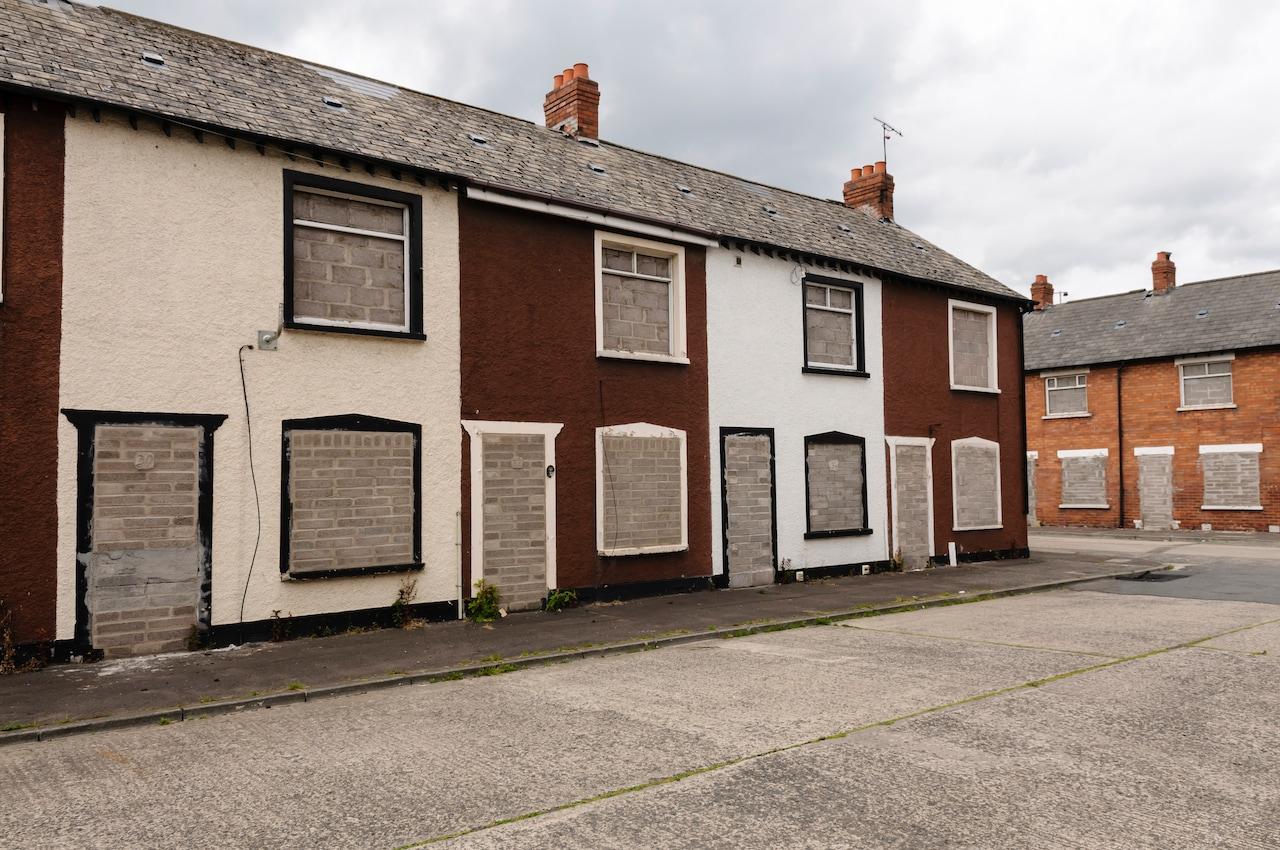
In a bid to address the growing challenge of housing asylum seekers, the government has unveiled plans to collaborate with local councils to acquire and repurpose empty homes across the United Kingdom. This initiative aims to reduce the reliance on hotels, which have become a contentious issue due to their use as temporary accommodation for migrants.
The government is exploring various models, including pilot schemes where councils would receive funding to purchase or renovate vacant properties. These properties would then be leased back to the Home Office to provide housing for asylum seekers.
The initiative comes in response to increasing public discontent over the use of hotels for migrant accommodation. The government is keen to find more sustainable and community-integrated solutions. According to recent data, there are approximately 700,000 empty homes in England, with significant numbers in major cities such as London, Birmingham, Leeds, and Liverpool. The plan also considers repurposing former tower blocks, student accommodations, and old teacher training colleges as medium-sized sites capable of housing multiple asylum seekers.
The urgency of the situation is underscored by recent events, including protests against asylum hotels. Police are preparing for potential unrest following incidents such as the recent violence at the Bell Hotel in Epping, Essex, where 16 arrests were made. The unrest was sparked by allegations of a serious crime involving a migrant, highlighting the tensions surrounding the current housing arrangements.
As of March, the Home Office reported that approximately 32,000 asylum seekers were being accommodated in around 210 hotels. This figure represents a decrease from the peak of 56,000 asylum seekers housed in 400 hotels in September 2023, which incurred a daily cost of £9 million. Despite the reduction, the number of asylum seekers in hotels remains a significant concern for the government.
In an effort to expedite the transition from hotels to alternative accommodations, the Home Office has introduced a new policy. Asylum seekers who refuse to move from hotels to designated housing will face the possibility of losing their taxpayer-funded accommodation and weekly allowance. This "firm-but-fair" approach aims to encourage compliance and reduce the number of asylum seekers in hotels.
The search for alternative housing solutions has become increasingly urgent as a record 24,000 migrants have crossed the Channel this year, marking a 50% increase. Additionally, there are 80,000 outstanding initial asylum claims and a backlog of 41,000 failed asylum seekers who have appealed their decisions, many of whom require housing.
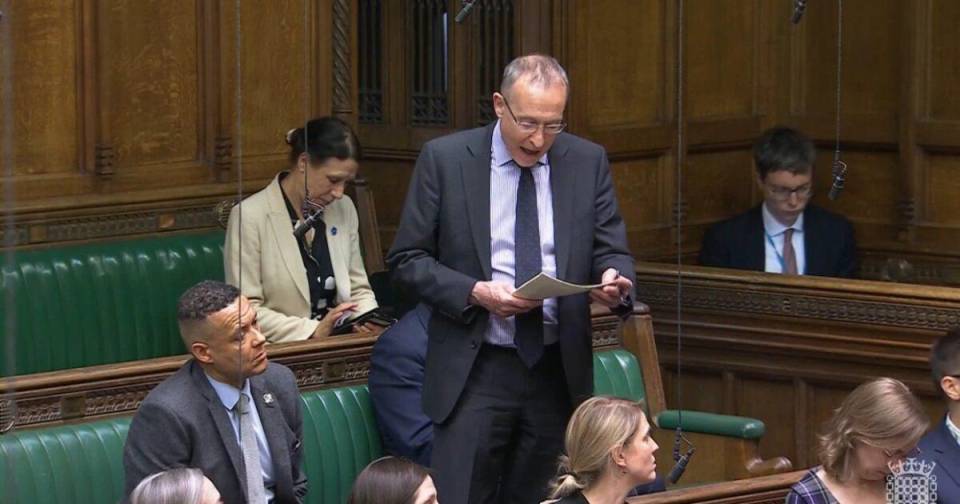
Sir Keir Starmer, the leader of the Labour government, recently emphasised the importance of utilising available housing resources. He stated, "A central focus of what we are doing is what can be built, arranged or taken by councils and repurposed. I am impatient for this change to be driven through." His comments reflect the government's commitment to finding practical solutions to the housing crisis.
Dame Angela Eagle, the border security and asylum minister, outlined the government's strategy to move away from a commercial approach that relies on private accommodation contractors. Instead, the government aims to establish a more democratically accountable system in partnership with local councils. This shift is expected to coincide with the expiration of contracts with three major accommodation providers—Clearsprings, Mears, and Serco—next year.
Around 200 councils have expressed interest in participating in pilot schemes to explore various accommodation models. Joanna Rowland, the Home Office's director general for customer services, explained that the pilots would assess different approaches, such as providing grants to local authorities for property remediation or offering support-only options without accommodation provision. These pilots are intended to provide an evidence base for future policy decisions.
The financial implications of these plans have sparked debate, with concerns about the additional costs being borne by British taxpayers. This issue has been a point of contention in recent election cycles, with critics arguing that the current Labour government is not adequately addressing the concerns of its constituents.
The broader significance of this initiative lies in its potential to transform the way asylum seekers are housed in the UK. By revitalising empty homes and integrating asylum seekers into communities, the government hopes to create a more sustainable and socially cohesive solution. This approach also aligns with broader efforts to address the housing crisis and make better use of existing resources.
As the government moves forward with these plans, the success of the pilot schemes will be closely monitored. The outcomes will likely influence future policy decisions and shape the UK's approach to asylum seeker accommodation. The initiative represents a significant step towards addressing the complex challenges of migration and housing, with the potential to benefit both asylum seekers and local communities.
Politics
Councils to Revitalise Empty Homes for Migrant Housing



Comments (0)
You must be logged in to post comments.
Don't have an account? Register here
No comments yet. Be the first to share your thoughts!