
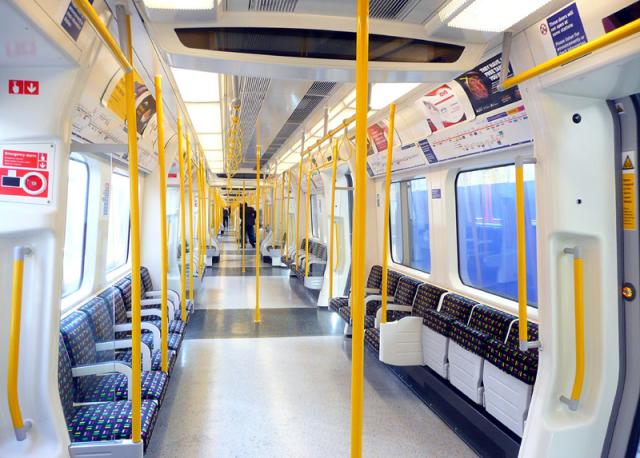
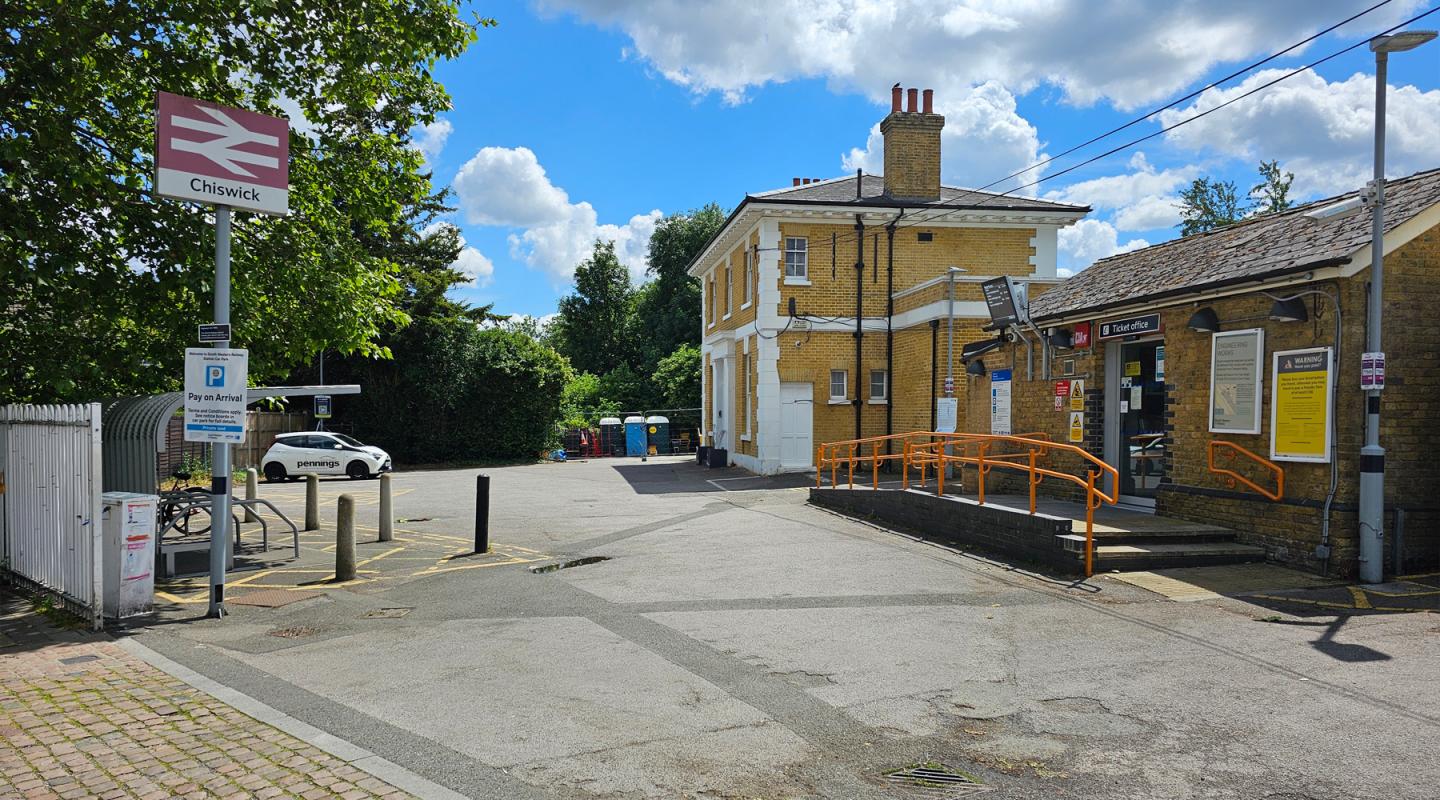
Chiswick residents and visitors faced yet another weekend of disruption as the District Line was partially closed for engineering works. This recurring issue has prompted local leaders to seek intervention from London Mayor Sadiq Khan. The closures have not only inconvenienced residents but also left tourists stranded, highlighting the broader impact on the community and local economy.
The persistent disruptions on the District Line have become a significant concern for the residents of Chiswick and surrounding areas. Over the past month, the Richmond branch of the District Line has experienced multiple closures, affecting thousands of commuters. These closures have led to delays in getting to work, extended travel times for schoolchildren, and missed appointments, causing frustration among the local population.
In response to the ongoing issues, Sarah Olney, Liberal Democrat MP for Richmond Park, and Gareth Roberts, Liberal Democrat Member for the London Assembly representing the South West, have reached out to Mayor Sadiq Khan. In their letter dated 18 July, they expressed their concerns about the repeated closures and requested an explanation for the disruptions. They urged the Mayor's office to clarify the nature of the engineering works and to reassure the public that measures are being taken to prevent further issues during the summer months.
A recent Freedom of Information request has shed light on the frequency of these disruptions. Between 1 July 2023 and 7 July 2024, the District Line through Chiswick has been disrupted on 80 days. This means that at least one of the four stations—Chiswick Park, Turnham Green, Gunnersbury, or Stamford Brook—has been affected by closures or delays. The total hours of disruption amount to 187, with 19 hours of minor delays, 30 hours of severe delays, and 163 hours of no service. On any given day, there is a 22% chance of disruption affecting the District Line service to Chiswick stations.
The most common reasons for these disruptions include signalling issues, late completion of engineering works, planned engineering works, faulty trains, trespassers on the tracks, obstructions on the track, track faults, and casualties on the track. These issues have not only affected daily commuters but have also had a significant impact on tourism, particularly for visitors heading to Kew Gardens.
The letter from Sarah Olney and Gareth Roberts highlighted the challenges faced by tourists visiting Kew Gardens, a popular attraction in the area. The lack of reliable transport options has forced many tourists to choose between long waits for overcrowded buses or expensive taxi fares to reach a functioning station. This situation has put additional strain on local bus services, which are unable to accommodate the increased demand.
The ongoing disruptions have also been a source of frustration for local residents. While they understand the need for engineering works and the challenges posed by ageing infrastructure, the frequency and severity of the line failures have become a serious problem. The community is calling for more effective communication and planning to minimise the impact of these disruptions.
In addition to the District Line issues, commuters in Chiswick have also faced delays on the Hammersmith and Piccadilly lines. These lines, which pass through Chiswick Park, have experienced similar disruptions, compounding the challenges faced by local travellers. The combination of these delays has made it increasingly difficult for residents to rely on public transport for their daily commutes.
The broader implications of these disruptions extend beyond individual inconvenience. The reliability of public transport is crucial for the economic vitality of the area. Frequent closures and delays can deter visitors, affect local businesses, and reduce the overall quality of life for residents. The situation calls for a comprehensive review of the current infrastructure and a strategic plan to address the underlying issues.
As the summer progresses, the demand for reliable transport is expected to increase, particularly with the influx of tourists and the return of students to schools. The local community is hopeful that the Mayor's office will take swift action to address the ongoing issues and ensure that the necessary improvements are made to the transport network.
The call for intervention by local leaders underscores the importance of maintaining a reliable and efficient public transport system. As the backbone of urban mobility, the transport network must be resilient and capable of meeting the needs of its users. The situation in Chiswick serves as a reminder of the critical role that infrastructure plays in supporting the daily lives of residents and the broader community.
The repeated disruptions on the District Line and other transport routes in Chiswick have highlighted the need for urgent action. The local community, supported by their elected representatives, is calling for transparency, accountability, and effective solutions to ensure that the transport network can meet the demands of its users. The hope is that with the Mayor's intervention, the necessary improvements will be made to restore confidence in the public transport system and enhance the quality of life for all who rely on it.
Travel
District Line Disruptions in Chiswick Prompt Call for Mayor's Intervention
Chiswick residents and visitors faced yet another weekend of disruption as the District Line was partially closed for engineering works. This recurring issue has prompted local leaders to seek intervention from London Mayor Sadiq Khan. The closures have not only inconvenienced residents but also left tourists stranded, highlighting the broader



Comments (0)
You must be logged in to post comments.
Don't have an account? Register here
No comments yet. Be the first to share your thoughts!