
The Role of Community Policing in West London.
Community policing in West London focuses on building trust between the police and residents, enhancing public safety through collaboration. Teams are strategically organised to address local issues, fostering a sense of security and community involvement. This approach aims to reduce crime and improve quality of life for all residents.
Structure and Organisation of Community Policing Teams.
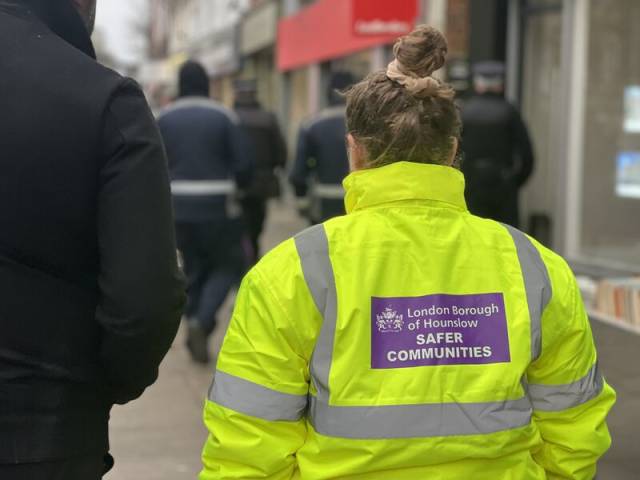
Community policing teams in West London are structured to ensure effective engagement with local communities. Each team typically consists of police officers, community support officers, and volunteers who work together to address specific neighbourhood concerns. This structure allows for a more personalised approach to policing, where officers are familiar with the unique challenges and needs of their assigned areas.
The teams are often based in local police stations or community centres, providing a visible and accessible presence in the community. This proximity enables them to respond quickly to incidents and engage with residents on a regular basis. By being embedded within the community, these teams can build strong relationships with local residents, businesses, and organisations, fostering a sense of trust and cooperation.
Key Responsibilities and Initiatives.
Community policing teams in West London undertake a variety of responsibilities aimed at improving public safety and community well-being. One of their primary roles is to engage with residents through regular meetings, forums, and events. These interactions provide an opportunity for community members to voice their concerns, share information, and collaborate on solutions to local issues.
In addition to engagement activities, community policing teams are involved in crime prevention initiatives. They work closely with local schools, businesses, and other organisations to implement programmes that educate the public about safety measures and crime prevention strategies. This proactive approach helps to deter criminal activity and create a safer environment for everyone.
Another key responsibility of community policing teams is to address anti-social behaviour. By working with local authorities and community groups, they develop strategies to tackle issues such as vandalism, noise disturbances, and public disorder. These efforts not only improve the quality of life for residents but also contribute to a more harmonious community atmosphere.
Challenges Faced by Community Policing Teams.
Despite their successes, community policing teams in West London face several challenges. One significant issue is the need for adequate resources and funding. With limited budgets, teams may struggle to maintain the level of engagement and visibility required to effectively address community concerns. This can lead to frustration among residents who feel their needs are not being adequately met.
Another challenge is the complexity of modern policing. As society evolves, so too do the types of crimes and issues that police must address. Community policing teams must stay informed about emerging trends and adapt their strategies accordingly. This requires ongoing training and development for officers, which can be resource-intensive.
Additionally, building trust with diverse communities can be challenging. West London is home to a wide range of cultural and ethnic groups, each with its own unique perspectives and experiences with law enforcement. Community policing teams must work diligently to understand these differences and engage with all residents in a respectful and inclusive manner.
Success Stories and Impact on the Community.
Despite these challenges, community policing teams in West London have achieved notable successes. Through their efforts, many neighbourhoods have experienced reductions in crime rates and improvements in overall safety. Residents often report feeling more connected to their communities and more confident in the ability of the police to address their concerns.
One example of success is the implementation of youth engagement programmes aimed at reducing gang involvement and anti-social behaviour among young people. By providing positive role models and opportunities for personal development, these initiatives have helped steer many young individuals away from criminal activities.
Furthermore, community policing teams have played a crucial role in fostering partnerships between the police and local organisations. These collaborations have led to the development of innovative solutions to complex problems, such as homelessness and substance abuse. By working together, these groups can pool resources and expertise to achieve better outcomes for the community.
The Future of Community Policing in West London.
The future of community policing in West London looks promising as teams continue to adapt and innovate in response to changing needs. By maintaining a strong focus on collaboration and engagement, they can continue to build trust with residents and improve public safety. However, ongoing support from local authorities and communities will be essential to ensure these teams have the resources they need to succeed.
As West London continues to grow and evolve, community policing will remain a vital component of maintaining a safe and vibrant environment for all residents. By addressing challenges head-on and celebrating successes, these teams can continue to make a positive impact on the lives of those they serve.
Crime
Enhancing Safety - Community Policing Teams in West London
Community policing in West London focuses on building trust between the police and residents, enhancing public safety through collaboration. Teams are strategically organised to address local issues, fostering a sense of security and community involvement.



Comments (0)
You must be logged in to post comments.
Don't have an account? Register here
No comments yet. Be the first to share your thoughts!