
Hounslow Council is set to designate Glebe Estate in Chiswick as a Conservation Area, despite significant resident opposition. The decision, expected on 3 September, aims to preserve the estate's architectural heritage. Residents fear it will restrict their Permitted Development rights, increasing costs for home improvements.
Hounslow Council's proposal to designate Glebe Estate as a Conservation Area has ignited a heated debate among residents and local authorities. The decision, anticipated to be finalised by the Cabinet on 3 September, seeks to safeguard the architectural and historical significance of the estate, which was Chiswick's first working-class housing development. However, many residents are concerned about the implications for their property rights and potential financial burdens.
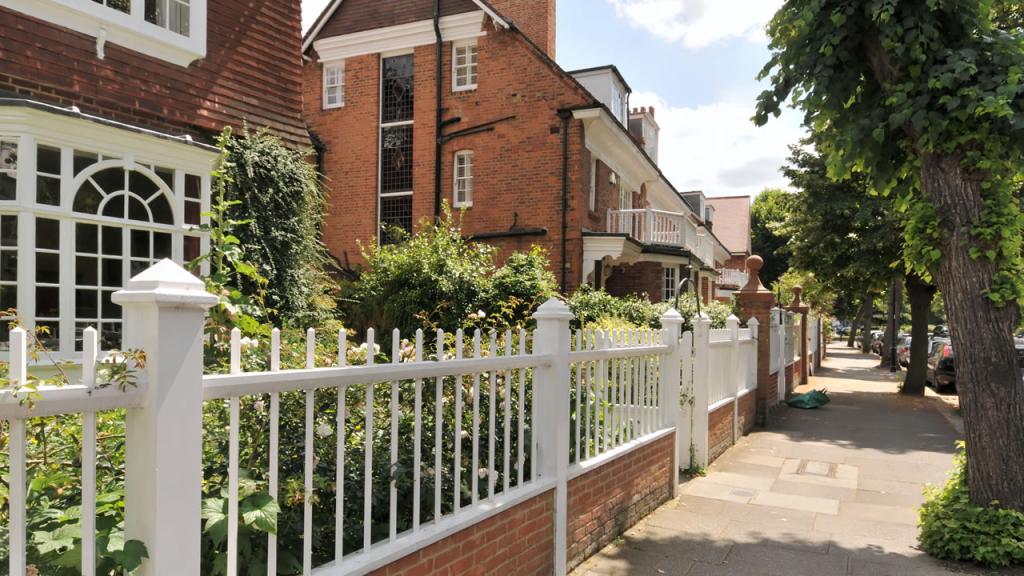
The Council argues that the designation is necessary to protect the estate's unique Victorian terraces, which reflect Chiswick's rich heritage. These homes, originally built for skilled craftsmen during the Victorian era, have become highly sought after, with property values soaring. Despite this, residents worry that the new status will limit their ability to make alterations to their homes without planning permission, thus increasing costs.
The controversy stems from what the Council describes as a "campaign of misinformation" that has fuelled opposition. According to sources, the spread of inaccurate or incomplete information has led to confusion and disquiet among residents. The Council maintains that its legal obligation under Section 69 of the Planning (Listed Building and Conservation Areas) Act 1990 requires it to consider areas of special architectural or historic interest for conservation status. This responsibility, they assert, prioritises the protection of the built environment over the preferences of current homeowners.
The Council's report clarifies that while some Permitted Development rights would be curtailed, the restrictions are not as severe as some residents fear. Planning permission would be necessary for specific developments, such as extensions beyond the side wall of a building or cladding with certain materials. However, the Council argues that the costs associated with these planning requirements are not prohibitive, especially given the high property values within the Glebe Estate.
The estate's historical significance is further underscored by its notable former residents, including the acclaimed writer Anthony Burgess, author of "A Clockwork Orange". Burgess and his wife lived in the estate during the 1960s when it was considered a rough area. Today, the estate's transformation into a desirable location is evident, with two-bedroom terraced houses fetching over a million pounds.
Despite the Council's efforts to clarify the implications of the conservation status, the consultations have been fraught with challenges. Two rounds of consultations have been conducted, both marred by misunderstandings and the dissemination of inaccurate information. The Council emphasises that the purpose of these consultations was to enhance residents' understanding of the designation, not to alter its principle.
The Council's decision to pursue conservation status aligns with advice from Historic England, which underscores the importance of preserving areas of cultural and architectural significance. While the Council is not legally required to conduct consultations, it chose to do so to ensure transparency and foster dialogue with residents.
The debate over the Glebe Estate's conservation status highlights the broader tension between preserving historical heritage and accommodating modern living needs. As urban areas continue to evolve, balancing these competing interests remains a complex challenge for local authorities.
The implications of the conservation status extend beyond individual property rights. Designating the Glebe Estate as a Conservation Area could enhance the area's appeal, potentially increasing property values further. However, this could also exacerbate affordability issues, making it more challenging for first-time buyers to enter the market.
The Council's decision is expected to have a lasting impact on the community, shaping the future development of the Glebe Estate. As residents await the final verdict, the debate underscores the importance of clear communication and community engagement in urban planning decisions.
In the coming weeks, the Council will need to address residents' concerns and provide further clarity on the implications of the conservation status. By fostering open dialogue and addressing misinformation, the Council can work towards a resolution that respects both the estate's historical significance and the needs of its current residents.
As the decision looms, the Glebe Estate stands at a crossroads, with its future hanging in the balance. The outcome will not only determine the fate of this historic area but also set a precedent for how similar cases are handled in the future. The Council's commitment to preserving Chiswick's heritage while accommodating modern demands will be put to the test as it navigates this complex issue.
Local News
Glebe Estate Conservation Status Sparks Debate Amid Resident Concerns
Hounslow Council is set to designate Glebe Estate in Chiswick as a Conservation Area, despite significant resident opposition. The decision, expected on 3 September, aims to preserve the estate's architectural heritage.



Comments (0)
You must be logged in to post comments.
Don't have an account? Register here
No comments yet. Be the first to share your thoughts!