
The Metropolitan Police's proposal to close the public access counter at Hammersmith Police Station has sparked significant concern among local officials and residents. The station, which currently operates around the clock, is one of 18 front desks slated for closure across London. This move would effectively halve the number of public access counters available in the capital, contradicting the Mayor's earlier commitment to maintain at least one operational counter in every borough. According to the leaked plans, only eight counters in London will continue to operate 24 hours a day, while the remaining will close earlier, at 10pm on weekdays and 7pm on weekends.
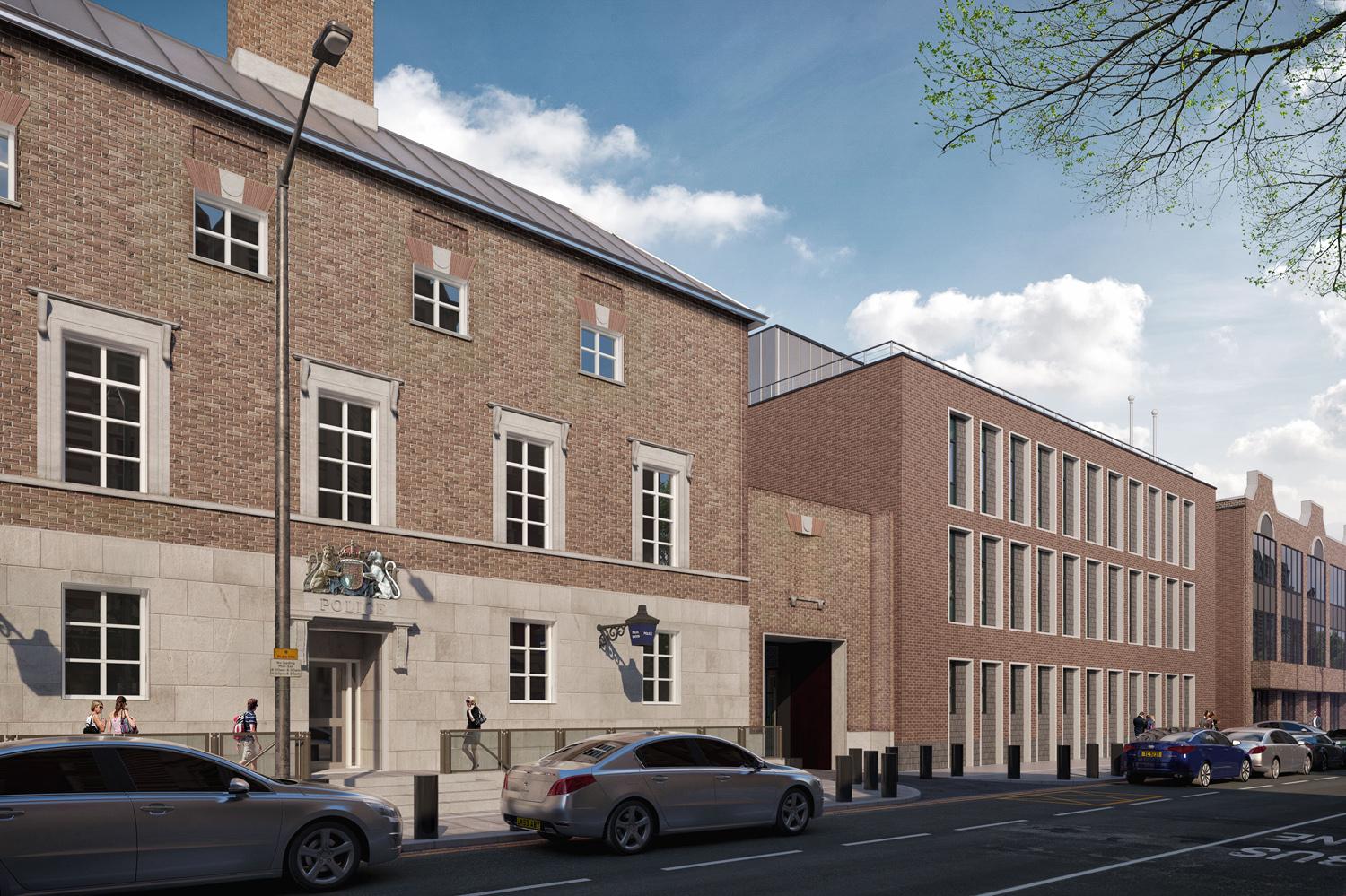
The decision to potentially close the Hammersmith counter has been met with disappointment by local representatives, including Hammersmith & Chiswick MP Andy Slaughter. He expressed his concerns, noting that the Hammersmith station had undergone a significant £60 million refurbishment and expansion just five years ago. The refurbishment included the promise of a 24/7 public access counter, which is now under threat. Hammersmith is part of the Central West Borough Command Unit, which also encompasses Westminster, Kensington and Chelsea, and Hammersmith and Fulham. Under the new proposal, only one public access counter would remain for the entire Central West area, located at Charing Cross.
The closure of the Hammersmith counter would leave Acton as the nearest station with public access for residents of Chiswick, following the closure of the Chiswick Police Station four years ago. The Chiswick station, located at 205-211 Chiswick High Road, was closed in 2021 and subsequently sold to Birchgrove for redevelopment into apartments for older residents. Over the past decade, London has seen the closure of 41 public access counters, largely due to the Mayor's Public Access Strategy initiated in 2016. This strategy led to the closure of counters in areas such as Chiswick, Fulham, Ealing, and Southall.
The Metropolitan Police justifies these closures by citing a decline in the number of crimes reported in person at police station front desks. Statistics indicate that only five percent of crimes are currently reported this way, a significant decrease from 22% in 2006 and 8% in 2016. The police argue that the increasing trend of online crime reporting makes maintaining these public counters financially unsustainable. However, even at five percent, the number of crimes reported in person in London over the 12 months leading up to December 2024 amounts to nearly half a million, according to the Crime Survey for England and Wales.
The importance of having accessible police stations was highlighted by an incident at the now-closed Chiswick Police Station. A man, homeless and cold, approached the station in the middle of the night and attracted the attention of officers by throwing stones at the windows. He confessed to a murder he had committed nearly 40 years earlier, a crime that might have gone unsolved without the presence of police officers at the station.
The potential closures come amid broader financial challenges faced by the police force. Police Chiefs have warned the Prime Minister that without increased funding, they may have to prioritise certain types of crime over others. In response, the Chancellor of the Exchequer, Rachel Reeves, announced a 2.3% annual increase in police 'spending power' over the next three financial years, from 2026/7 to 2028/9. However, it remains to be seen whether this increase will be sufficient to address the financial constraints and operational challenges faced by the police.
The closure of public access counters raises concerns about the accessibility of police services for residents, particularly those who may not have access to online reporting tools. It also underscores the ongoing debate about the balance between cost-cutting measures and the need to maintain essential public services. As the Metropolitan Police continues to navigate these challenges, the impact of these closures on community safety and trust in law enforcement remains a critical issue.
The broader implications of these closures extend beyond immediate access to police services. They reflect a shift in how public services are delivered and the increasing reliance on digital platforms. While online reporting offers convenience and efficiency, it may not be suitable for all individuals or situations. Ensuring that vulnerable populations, such as the elderly or those without internet access, can still access police services is a pressing concern.
As discussions continue, local officials and community members are advocating for a reconsideration of the closure plans. They argue that maintaining a physical police presence is vital for community engagement and crime prevention. The outcome of these discussions will have significant implications for the future of policing in London and the accessibility of public services in the city.
Local News
Hammersmith Police Station Faces Closure Amid Public Access Concerns


Comments (0)
You must be logged in to post comments.
Don't have an account? Register here
No comments yet. Be the first to share your thoughts!