
Heathrow Airport is gradually returning to normalcy following earlier disruptions attributed to air traffic control issues
Travellers experienced minimal delays, with only a single British Airways flight to Frankfurt cancelled. Despite the setback, flights are now departing regularly. However, concerns have been raised about the UK air traffic authority's communication during the incident.
Heathrow Airport, one of the busiest aviation hubs in the world, faced a temporary disruption that left passengers experiencing delays. The issue, which arose due to complications with air traffic control systems, saw a brief period of uncertainty for travellers. However, as the evening progressed, operations began to stabilise, with flights departing at regular intervals.
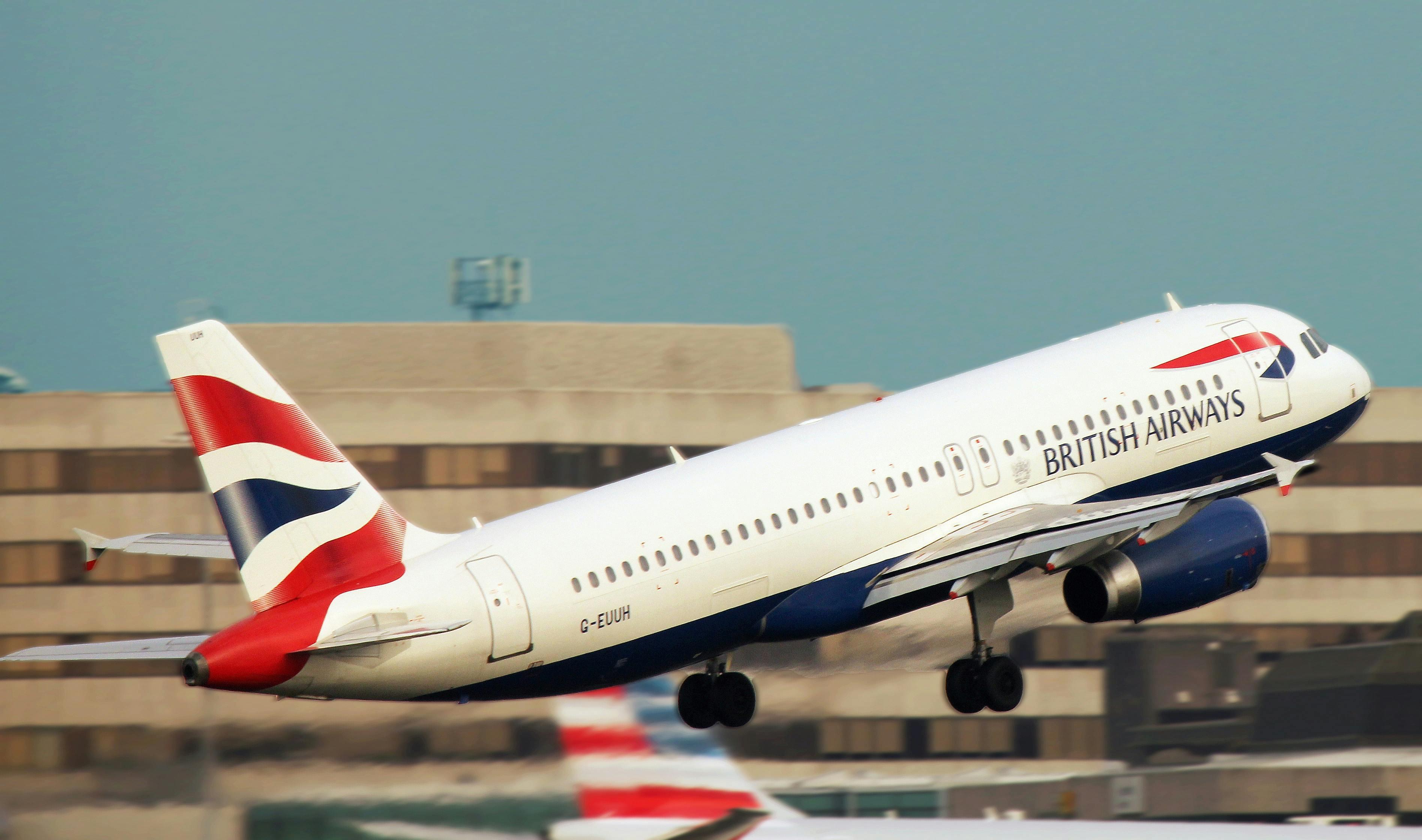
Passengers waiting to check in their luggage reported only minor inconveniences. One family mentioned a 45-minute delay, but overall, the majority of travellers seemed relatively unaffected by the earlier chaos. The departures board displayed only one cancellation, a British Airways flight to Frankfurt, though it remains unclear if this was directly linked to the air traffic control problem.
British Airways flights resumed their schedules, taking off every five minutes or even more frequently, indicating a swift recovery from the earlier disruption. Despite this, the incident has sparked criticism regarding the communication from the UK air traffic authority, known as NATS.
Doug Maclean, managing director of DKM Aviation Partners, expressed dissatisfaction with the way NATS handled the situation. He highlighted the lack of timely information provided to passengers and stakeholders. "There is no excuse for the UK air traffic authority's poor communication," Maclean stated. He emphasised that it should not take hours for NATS to disclose the cause of the issue that grounded flights earlier in the day.
Maclean's concerns are not without precedent. He referenced a similar incident in August 2023, where a significant outage prompted a thorough investigation by a committee. This committee made several recommendations to prevent future occurrences and improve communication protocols. Maclean questioned whether these recommendations had been implemented, given the current situation.
"The major issue that passengers complained about is that they don't have up-to-date information," Maclean added. "Why are we sitting several hours after the incident has apparently been fixed, and we don't know what the problem was?" His remarks underscore the frustration felt by many who rely on timely and accurate information during travel disruptions.
The incident at Heathrow raises broader questions about the resilience and reliability of the UK's air traffic control systems. As one of the world's leading aviation hubs, Heathrow's smooth operation is crucial not only for the UK but also for international travel. Any disruption can have a ripple effect, impacting flights and passengers globally.
In response to the incident, aviation experts are calling for a review of current protocols and systems. They stress the importance of transparency and effective communication in maintaining passenger trust and ensuring safety. The aviation industry, already under pressure from various challenges, cannot afford lapses in communication that erode confidence.
The government, too, faces scrutiny over its role in overseeing and regulating air traffic control operations. Ensuring that recommendations from past incidents are implemented and that systems are robust enough to handle unexpected challenges is essential. The incident at Heathrow serves as a reminder of the need for continuous improvement and vigilance in the aviation sector.
As operations at Heathrow return to normal, the focus shifts to preventing similar occurrences in the future. Stakeholders, including airlines, passengers, and regulatory bodies, will be keenly watching how the situation unfolds and what measures are taken to address the underlying issues.
For passengers, the experience serves as a reminder of the complexities involved in air travel and the importance of staying informed. While technology and systems have advanced significantly, the human element of communication remains crucial in managing disruptions effectively.
In the coming days, further details about the incident and its causes are expected to emerge. Passengers and industry experts alike will be eager to understand what went wrong and how similar situations can be avoided in the future. The incident at Heathrow is a call to action for all involved in the aviation sector to prioritise communication and transparency, ensuring that passengers are kept informed and reassured during times of uncertainty.
Travel
Heathrow Operations Stabilise Amidst Air Traffic Control Disruptions
Travellers experienced minimal delays, with only a single British Airways flight to Frankfurt cancelled. Despite the setback, flights are now departing regularly. However, concerns have been raised about the UK air traffic authority's communication during the incident.





Comments (0)
You must be logged in to post comments.
Don't have an account? Register here
No comments yet. Be the first to share your thoughts!