
Understanding Local Policing in Chiswick.
Local policing in Chiswick plays a crucial role in maintaining the safety and security of its residents. As a vibrant community with a diverse population, Chiswick requires a well-organised and responsive police presence to address the unique challenges it faces. This article explores the structure of local policing in Chiswick, examining how resources are allocated, the strategies employed to tackle crime, and the ways in which the community can engage with their local police force.
How Resources Are Allocated.
Chiswick falls under the jurisdiction of the Metropolitan Police Service, which is responsible for policing Greater London. Within this framework, Chiswick is part of the West Area Basic Command Unit (BCU), which also covers Ealing and Hounslow. This BCU model allows for a more flexible allocation of resources, enabling officers to be deployed where they are most needed across the area.
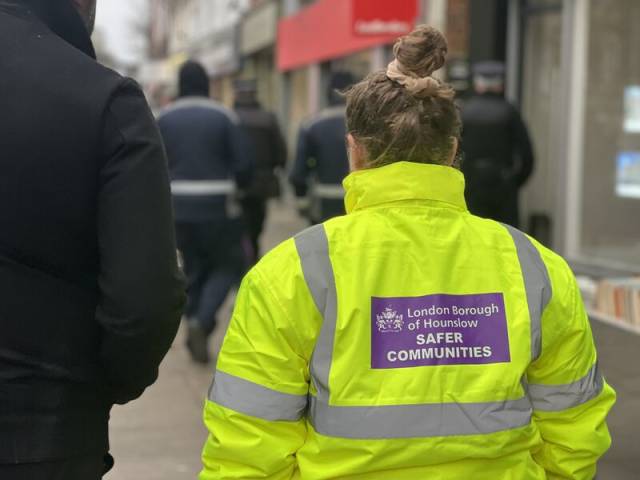
The local policing team in Chiswick is composed of dedicated officers who focus on neighbourhood issues. These teams are often made up of a mix of police constables, sergeants, and community support officers. Their primary role is to engage with the community, understand local concerns, and work collaboratively to solve problems. By maintaining a visible presence, these officers aim to deter crime and provide reassurance to residents.
Tackling Crime in Chiswick.
Chiswick's police force employs a range of strategies to prevent crime and ensure public safety. One key approach is intelligence-led policing, which involves gathering and analysing data to identify crime hotspots and emerging trends. This information allows officers to deploy resources more effectively and target specific issues such as burglary, anti-social behaviour, or drug-related crime.
Community engagement is another vital component of crime prevention in Chiswick. Officers regularly attend local meetings and events to gather feedback from residents and discuss concerns. This dialogue helps build trust between the police and the community, fostering a collaborative approach to tackling crime. Additionally, initiatives such as Neighbourhood Watch schemes encourage residents to take an active role in safeguarding their area.
Enhancing Policing Efforts.
The use of technology has become increasingly important in modern policing, and Chiswick is no exception. The deployment of body-worn cameras by officers provides an additional layer of accountability and transparency, helping to build public confidence in the police. These devices also serve as a valuable tool for gathering evidence during incidents.
Moreover, social media platforms are utilised by the local police to communicate with residents quickly and effectively. By sharing updates on ongoing investigations, crime prevention tips, and community events, the police can keep the public informed and engaged. This digital presence complements traditional methods of communication, ensuring that information reaches a broad audience.
How Residents Can Engage with Local Policing.
Active community involvement is essential for effective local policing in Chiswick. Residents are encouraged to participate in public meetings and forums where they can voice their concerns directly to police representatives. These gatherings provide an opportunity for open dialogue and help shape policing priorities based on community needs.
Volunteering is another way for residents to support their local police force. Opportunities such as joining the Special Constabulary or becoming a Police Support Volunteer allow individuals to contribute their time and skills to assist with various policing activities. These roles not only enhance police capacity but also strengthen community ties.
For those unable to commit to regular volunteering, simply staying informed about local issues can make a difference. By subscribing to newsletters or following social media channels, residents can remain updated on crime trends and safety advice. This awareness empowers individuals to take proactive measures in protecting themselves and their neighbours.
The Future of Policing in Chiswick.
While local policing in Chiswick has made significant strides, challenges remain. Budget constraints and resource limitations can impact the ability of officers to respond swiftly to incidents or maintain a constant presence in all areas. However, these challenges also present opportunities for innovation and collaboration.
Partnerships with local organisations, businesses, and schools can enhance policing efforts by pooling resources and expertise. By working together, these groups can develop targeted initiatives that address specific issues within the community. Additionally, embracing new technologies and data-driven approaches will continue to play a crucial role in shaping the future of policing in Chiswick.
Building a Safer Community Together.
Local policing in Chiswick is a dynamic and evolving endeavour that relies on the cooperation between law enforcement and residents. By understanding the structure of local policing, engaging with officers, and participating in community initiatives, residents can contribute to creating a safer environment for all. As challenges arise, continued collaboration and innovation will be key to ensuring that Chiswick remains a secure and thriving community.
Crime
In-Depth Look at Chiswicks Local Policing and Community Safety
Understanding Local Policing in Chiswick. Local policing in Chiswick plays a crucial role in maintaining the safety and security of its residents. As a vibrant community with a diverse population, Chiswick requires a well-organised and responsive police presence to address the unique challenges it faces. This article explores the structure of



Comments (0)
You must be logged in to post comments.
Don't have an account? Register here
No comments yet. Be the first to share your thoughts!