
The Rise of Social Media Fatigue.
Social media fatigue is increasingly common among adults, leading many to take digital breaks. This phenomenon is driven by the overwhelming nature of constant connectivity, the pressure to maintain an online presence, and concerns over mental health. As more people seek balance, understanding the causes and solutions becomes essential.
Understanding Social Media Fatigue.
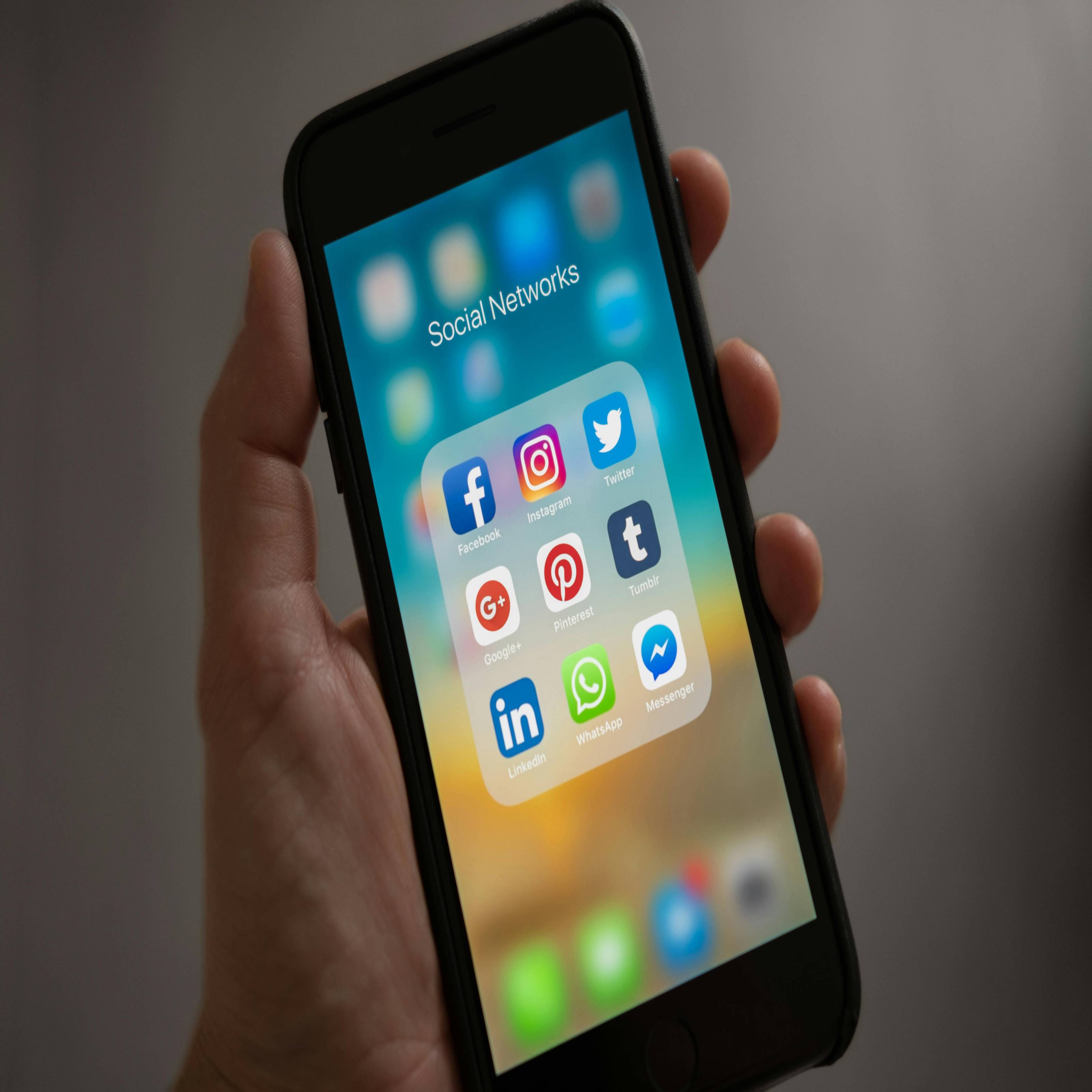
Social media fatigue refers to the exhaustion and stress experienced from excessive use of social media platforms. This condition has become more prevalent as digital interactions dominate daily life. The constant barrage of notifications, updates, and the pressure to engage can lead to feelings of anxiety and burnout. Many users report feeling overwhelmed by the need to stay connected and informed at all times.
The rise of social media platforms has transformed how people communicate, share information, and perceive the world. However, this digital revolution has also introduced new challenges. The expectation to be constantly available and responsive can create a sense of obligation that is difficult to manage. This is particularly true for adults who juggle multiple responsibilities, including work, family, and social commitments.
The Impact on Mental Health.
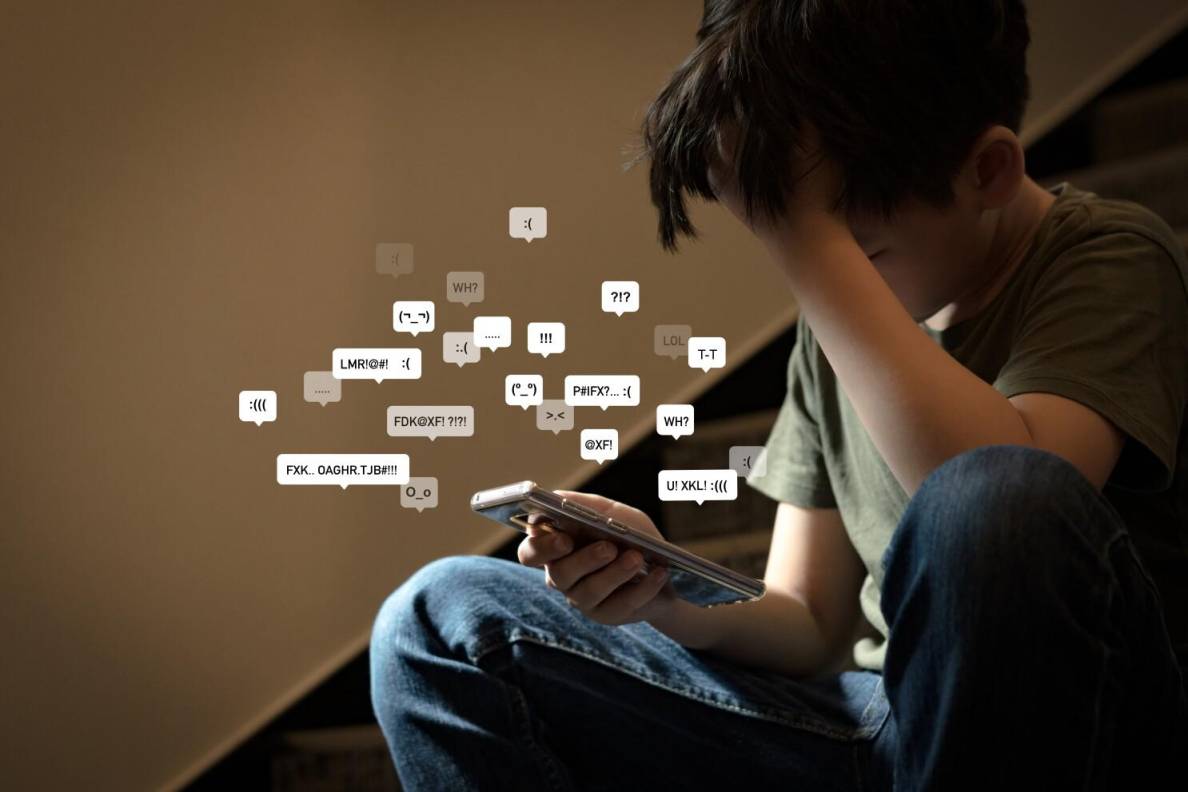
The mental health implications of social media fatigue are significant. Studies have shown that excessive social media use can contribute to anxiety, depression, and feelings of inadequacy. The curated nature of social media content often leads to comparisons with others, fostering a sense of inadequacy or missing out. This can be particularly damaging for individuals who struggle with self-esteem or body image issues.
Moreover, the addictive nature of social media platforms can exacerbate these feelings. The design of these platforms encourages continuous engagement through likes, comments, and shares, creating a cycle that is hard to break. This constant engagement can disrupt sleep patterns, reduce productivity, and increase stress levels.
Why Adults Are Taking Digital Breaks.
In response to these challenges, many adults are choosing to take digital breaks. A digital break involves stepping away from social media platforms for a period to recharge and refocus. This decision is often driven by a desire to regain control over one's time and mental well-being.
Digital breaks can vary in length and intensity. Some individuals opt for short-term breaks, such as a weekend without social media, while others choose longer periods of disconnection. The goal is to reduce dependency on digital interactions and prioritise real-world connections and activities.
Taking a digital break can provide numerous benefits. It allows individuals to reconnect with themselves and their surroundings without the distraction of constant notifications. Many report improved mood, increased productivity, and better sleep quality after stepping away from social media.
Practical Steps for Taking a Digital Break.
For those considering a digital break, there are several practical steps to ensure success. First, it is important to set clear goals for the break. Determine what you hope to achieve, whether it is reducing stress, improving focus, or simply enjoying more time offline.
Next, communicate your intentions with friends and family. Let them know you will be less available online and encourage them to reach out through other means if necessary. This can help manage expectations and reduce the pressure to stay connected.
Consider removing social media apps from your devices or setting specific times for checking them. This can help minimise temptation and create boundaries around digital use. Engaging in alternative activities such as reading, exercising, or spending time outdoors can also provide a healthy distraction from social media.
Finally, reflect on your experience after the break. Assess how it impacted your mood, productivity, and overall well-being. This reflection can help determine whether a longer or more frequent break might be beneficial in the future.
Embracing Balance in a Digital World.
As social media continues to play a central role in modern life, finding balance becomes increasingly important. Social media fatigue highlights the need for individuals to take control of their digital habits and prioritise their mental health. By recognising the signs of fatigue and taking proactive steps to address it, adults can enjoy the benefits of social media without compromising their well-being.
Digital breaks offer a valuable opportunity to reset and recharge, allowing individuals to engage with social media on their terms. As more people embrace this approach, it may lead to a healthier relationship with technology and a greater emphasis on real-world connections.
Tech
Social Media Fatigue - Why Adults Are Embracing Digital Detox
The Rise of Social Media Fatigue. Social media fatigue is increasingly common among adults, leading many to take digital breaks. This phenomenon is driven by the overwhelming nature of constant connectivity, the pressure to maintain an online presence, and concerns over mental health.


Comments (0)
You must be logged in to post comments.
Don't have an account? Register here
No comments yet. Be the first to share your thoughts!