
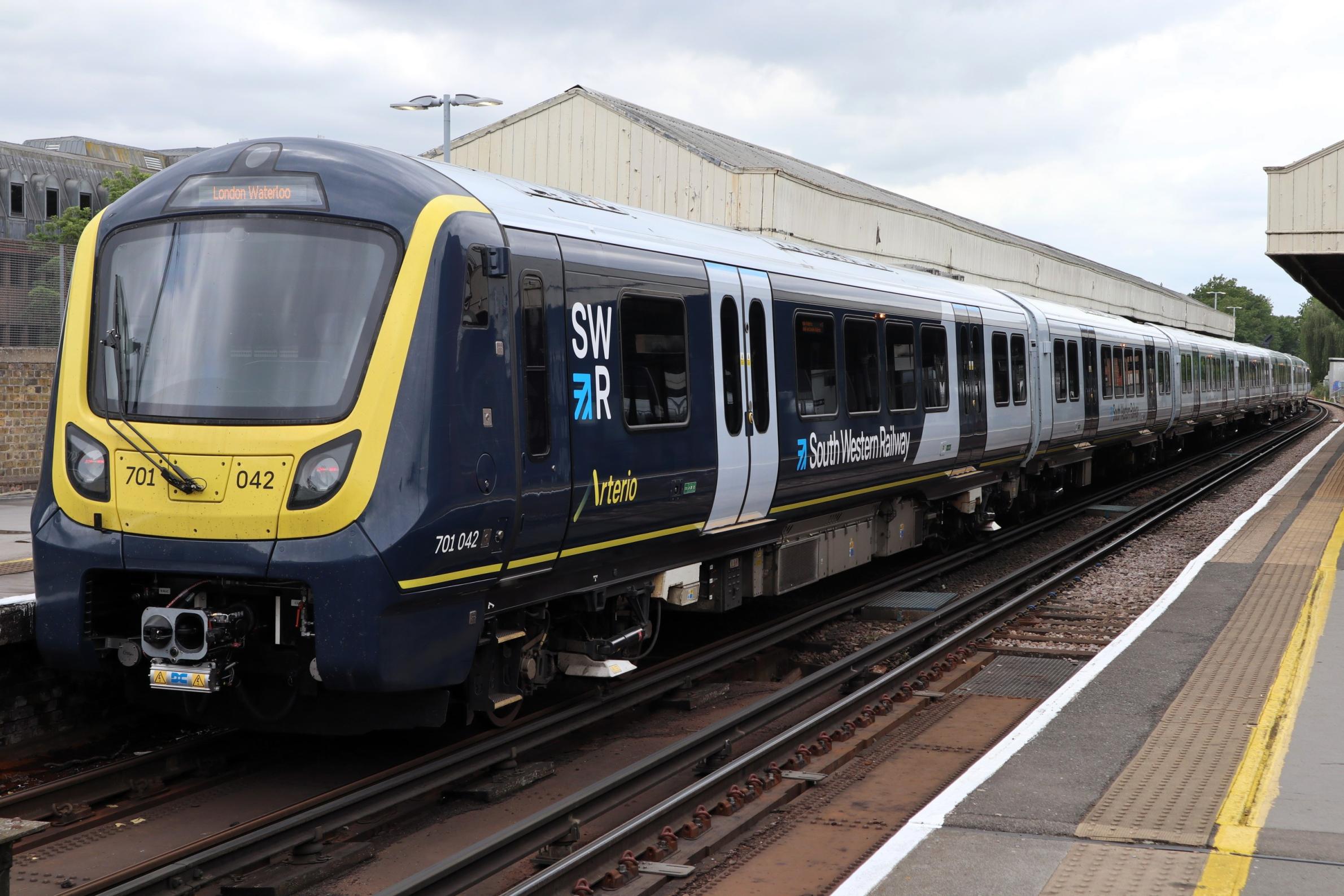
The Secretary of State for Transport, Louise Haigh, has announced plans to renationalise South Western Railway (SWR) by May 2025.
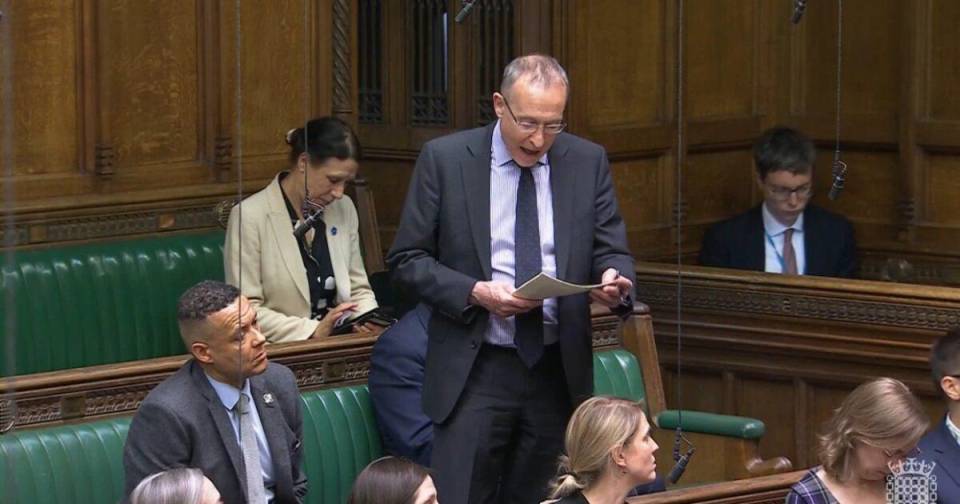
This decision follows a question from MP Ruth Cadbury in the House of Commons. The move aims to improve service quality and streamline operations under a new public body, Great British Railways, as part of a broader transport reform.
The announcement marks a significant shift in the management of the UK's rail services. The Labour Government's new bill, introduced in the King's Speech, outlines a strategy to transition from private to public control of rail services as franchise agreements expire. This policy aims to eliminate compensation for private operators, thereby reducing costs and enhancing efficiency. The bill proposes that Great British Railways will oversee the network, ensuring a unified and simplified rail system.
The current SWR contract, initially set to conclude in August 2024, was extended due to the pandemic's impact on passenger numbers. The National Rail Contract, which began in March 2021, will now run until May 2025. The exact timing of the government's takeover remains uncertain, contingent on legislative and administrative processes.
Ruth Cadbury, MP for Brentford and Isleworth, has been a vocal advocate for the renationalisation of rail services. In her first parliamentary speech since the 2024 general election, she emphasised the importance of prioritising transport in the nation's renewal. Cadbury praised the government's decision, stating that public ownership is crucial for creating a rail system that prioritises passenger services and offers value for taxpayers.
Cadbury's comments reflect widespread public dissatisfaction with the current state of rail services. Many passengers have experienced overcrowded, delayed, or cancelled trains, coupled with rising fares. The renationalisation of SWR is seen as a step towards addressing these issues and improving the overall quality of public transport.
South Western Railway has faced numerous challenges in recent years, including frequent strikes that have disrupted services. These strikes have been a source of frustration for commuters, who have had to contend with unreliable service and increased travel times. The renationalisation of SWR is expected to address these issues by providing a more stable and efficient service.
The renationalisation of SWR is expected to have significant implications for commuters and the wider community. Improved service quality and reliability will benefit passengers, while the reduction in costs will provide better value for taxpayers. The move is also expected to have positive environmental impacts, as a more efficient rail system will encourage greater use of public transport and reduce reliance on cars.
The transition to public ownership will require careful planning and coordination. The government will need to ensure that the necessary infrastructure and resources are in place to support the new system. This will involve working closely with stakeholders, including rail operators, unions, and passengers, to ensure a smooth transition.
The broader implications of this move extend beyond the rail network. A more efficient and reliable public transport system will support economic growth by facilitating the movement of people and goods. It will also contribute to environmental sustainability by reducing carbon emissions and promoting the use of public transport.
The renationalisation of SWR is a bold move that reflects the government's commitment to improving public transport and addressing the challenges facing the UK's rail network. It is a significant step towards creating a more efficient, reliable, and cost-effective rail system that benefits passengers, taxpayers, and the wider community.
Politics
South Western Railway Set for Renationalisation by 2025
The Secretary of State for Transport, Louise Haigh, has announced plans to renationalise South Western Railway (SWR) by May 2025.



Comments (0)
You must be logged in to post comments.
Don't have an account? Register here
No comments yet. Be the first to share your thoughts!