
A significant rise in Blue Badge thefts in Ealing is causing distress among vulnerable residents, who face increased costs and loss of independence.
The borough ranks among the top ten in London for Blue Badge holders, and thefts have surged tenfold over five years. Concerns were raised at a recent council meeting, highlighting the need for effective measures to support affected individuals.
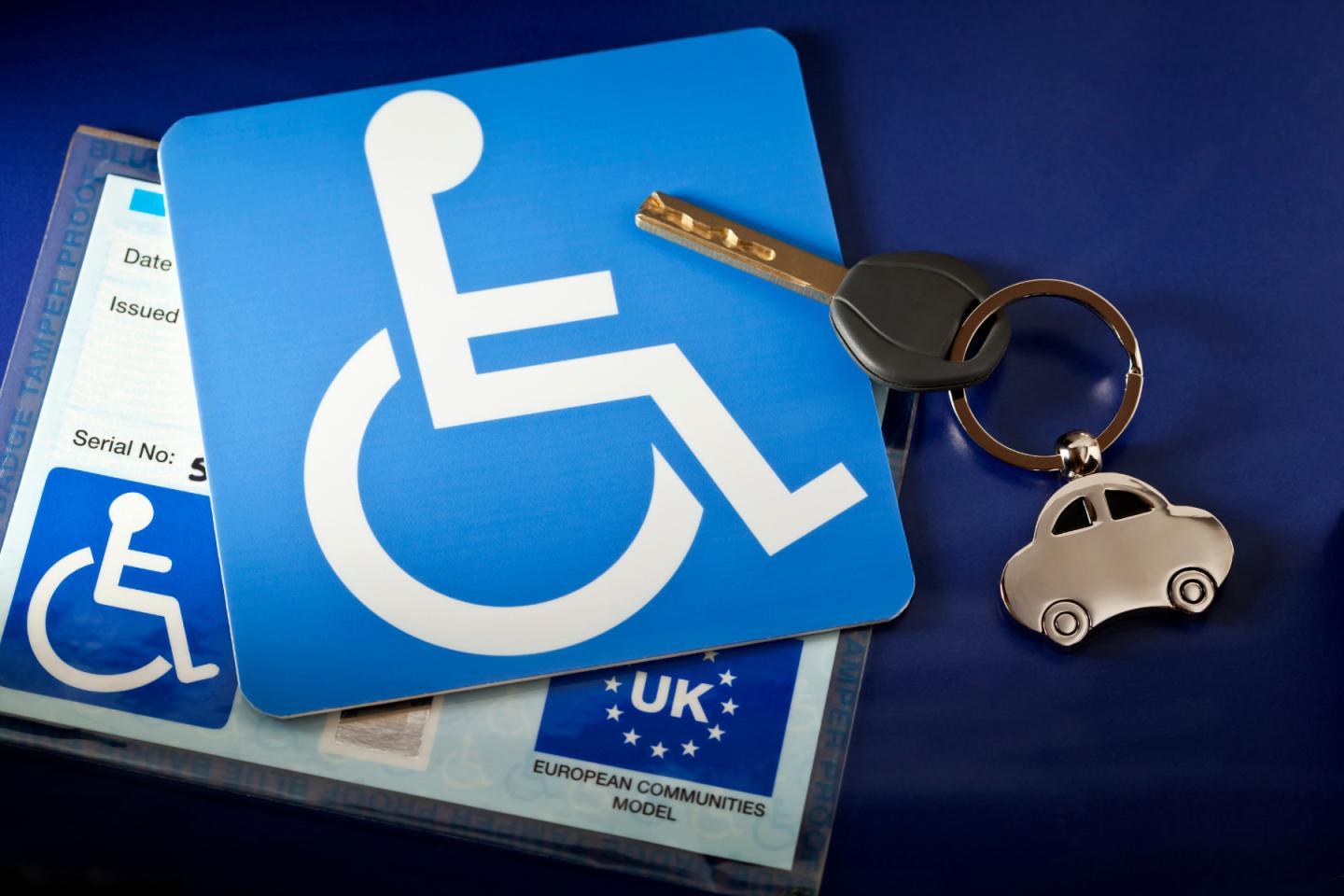
Ealing, a bustling borough in West London, is witnessing a troubling trend that is impacting its most vulnerable residents. The theft of Blue Badges, essential permits that allow disabled individuals to park closer to their destinations, has seen a dramatic increase. This surge in thefts has left many residents, who rely heavily on these badges for their daily activities, in a state of distress and financial strain.
The issue was brought to the forefront during a recent Ealing Council meeting on 23 July, where Matt Mellor posed a public question regarding the council's efforts to combat Blue Badge thefts and assist victims. Following the meeting, discussions continued with local councillors, including Gary Malcolm, a Liberal Democrat representative, who expressed deep concern over the situation.
One of the affected residents, Miranda Mellor, shared her personal ordeal. As a wheelchair user, the theft of her Blue Badge has been nothing short of devastating. She described the badge as a "lifeline," crucial for her mobility and independence. The loss has forced her to rely on taxis, significantly increasing her daily expenses and complicating routine tasks such as commuting to work and managing her children's school runs.
The financial burden of replacing a stolen Blue Badge is compounded by the damage often inflicted on vehicles during the theft. Typically, thieves smash car windows to access the badges, leaving owners with repair costs ranging from £150 to £1,000, depending on the vehicle's make and model. This additional expense is particularly challenging for those on limited incomes, and it can also lead to higher insurance premiums.
In response to the growing concern, Ealing's Liberal Democrats have called for urgent action. Councillor Gary Malcolm, who also serves as the Leader of the Opposition on Ealing Council, criticised the current measures as insufficient. He urged the ruling Labour group to adopt cost-effective strategies that have proven successful in reducing Blue Badge thefts in other areas.
Ealing Council, for its part, has reiterated its commitment to supporting Blue Badge holders. A council spokesperson emphasised the importance of ensuring that these badges are available to those who genuinely need them. The council has streamlined the process for replacing stolen badges, aiming to minimise the disruption for affected residents. Additionally, they recommend that badge holders consider purchasing a Blue Badge lock, available online for around £30, to deter theft.
To further alleviate the impact on residents, the council offers a free resident parking permit. This permit allows individuals to park in their local zone without displaying a Blue Badge, providing some relief while they await a replacement. For those with a designated Blue Badge bay outside their homes, a disabled bay permit is also available.
While the theft of Blue Badges is primarily a police matter, Ealing Council has taken a firm stance against fraud. In recent months, over 20 individuals have been prosecuted for Blue Badge fraud, demonstrating the council's commitment to maintaining the integrity of the system.
The process of applying for a Blue Badge involves meeting specific eligibility criteria. Individuals must demonstrate a significant disability that affects their mobility, such as being unable to walk or having difficulty walking. The application process requires medical evidence and, in some cases, an assessment by a healthcare professional. Once approved, the badge provides essential parking privileges, enabling holders to lead more independent lives.
The rise in Blue Badge thefts in Ealing highlights a broader issue affecting many urban areas. As the demand for accessible parking increases, so too does the temptation for thieves to exploit the system. This trend underscores the need for comprehensive strategies that not only protect vulnerable residents but also deter criminal activity.
The implications of Blue Badge theft extend beyond the immediate inconvenience and financial burden.
For many, the badge is a symbol of independence, allowing them to participate fully in community life. Its loss can lead to isolation and reduced quality of life, particularly for those with limited mobility.
Crime
Surge in Blue Badge Thefts Alarms Ealing Residents and Officials
A significant rise in Blue Badge thefts in Ealing is causing distress among vulnerable residents, who face increased costs and loss of independence.




Comments (0)
You must be logged in to post comments.
Don't have an account? Register here
No comments yet. Be the first to share your thoughts!