
Plans to discharge treated sewage into the River Thames have ignited significant controversy, with local MPs and residents expressing strong opposition. The scheme, part of Thames Water's Water Resource Management Plan, has been approved by DEFRA, aiming to secure London's future water supply amid climate change and population growth.
Thames Water's Water Resource Management Plan (WRMP) has become a focal point of contention following its approval by the Department for Environment, Food and Rural Affairs (DEFRA). The plan, which includes a sewage recycling initiative in Teddington, is designed to address the anticipated need for an additional billion litres of water per day by 2050. This projection is driven by the dual pressures of climate change and a burgeoning population. The approval comes after two years of public consultation, yet it has not quelled the concerns of local politicians and community members.
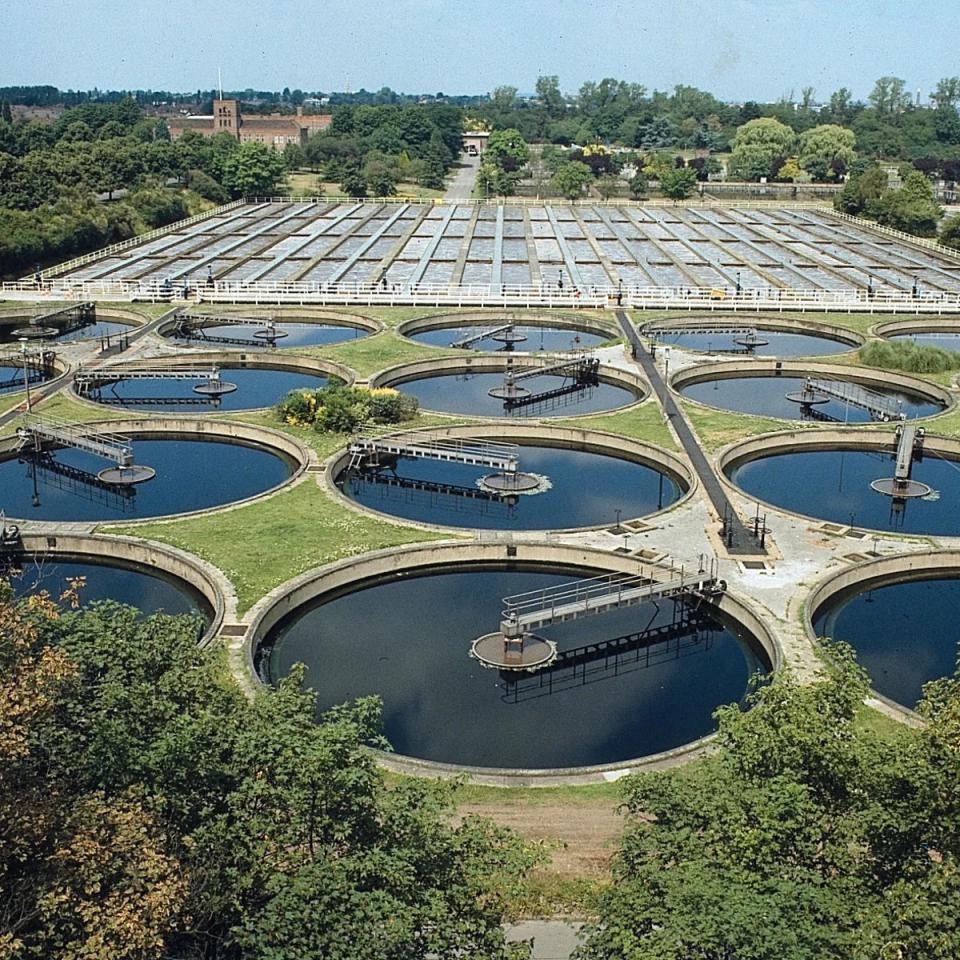
A central element of the WRMP involves diverting up to 75 million litres of water daily from the Thames above Teddington Weir during periods of drought. This water would be redirected to the Lee Valley reservoirs, with treated sewage from the Mogden Sewage Treatment Works used to replenish the river. Thames Water asserts that this approach is crucial for ensuring drought resilience and meeting future water demands. The company has assured the public that no untreated sewage will enter the Thames as part of this project.
Despite these assurances, the plan has faced vehement opposition from local MPs, including Twickenham's Munira Wilson and Richmond Park's Sarah Olney, as well as Richmond Council and various community campaigners. Critics argue that the project threatens the river's ecosystem, wildlife, and public health. A petition opposing the plan has garnered over 31,000 signatures, reflecting widespread public discontent.
Munira Wilson has been particularly vocal in her criticism, expressing profound disappointment with the government's decision. She has questioned the necessity of the scheme and challenged Thames Water's assertion that it represents the most effective solution for drought resilience. "Our stretch of the river is alive with people swimming, rowing, paddling, and kayaking, enjoying nature with their clubs, schools, and families," Wilson stated. She further criticised the decision as a waste of billpayers' money, given the potential environmental and public health costs.
In response to the backlash, Thames Water has reiterated its commitment to safeguarding the river's water quality. A spokesperson for the company emphasised that the project involves an additional stage of treatment for the recycled water from Mogden Sewage Treatment Works, ensuring that only clean, recycled water is used to top up the Thames. The spokesperson described the initiative as a significant investment aimed at protecting London's water supply during drought conditions.
Thames Water has also announced plans to engage with local communities through a series of information events in West London later this autumn. These events are intended to provide updates on the project and address public concerns. The company has stressed that customer and community feedback is integral to its future infrastructure plans.
A DEFRA spokesperson highlighted the government's commitment to increasing water supply while safeguarding the environment and public health. The spokesperson noted that rapid population growth and climate change are driving increased water demand, necessitating proactive measures. The government is also introducing legislation to improve waterway cleanliness, attract private-sector investment for infrastructure upgrades, and expedite the construction of new water facilities.
The controversy surrounding Thames Water's plan is not an isolated incident. The company has faced scrutiny in recent years over its handling of wastewater treatment. In several instances, Thames Water has been fined for failing to adequately treat wastewater before discharging it into rivers, raising concerns about its environmental stewardship. These incidents have fuelled scepticism about the company's ability to manage the proposed sewage recycling scheme responsibly.
The broader implications of the plan extend beyond environmental concerns. The initiative highlights the challenges of balancing urban water supply needs with ecological preservation. As London continues to grow, the pressure on its water resources will only intensify, necessitating innovative solutions that do not compromise environmental integrity.
The debate over Thames Water's plan underscores the need for transparent decision-making processes that incorporate public input and address community concerns. As the project moves forward, ongoing dialogue between Thames Water, government officials, and local stakeholders will be crucial in ensuring that the initiative aligns with both environmental and public health priorities.
In the coming months, the focus will likely remain on how Thames Water addresses the concerns raised by critics and how it implements the project in a manner that minimises environmental impact. The outcome of this contentious issue will serve as a critical test of the company's commitment to sustainable water management and its ability to navigate the complex interplay of urban development and environmental conservation.
Health
Thames Water's Sewage Scheme Approval for Thames Sparks Outcry
Plans to discharge treated sewage into the River Thames have ignited significant controversy, with local MPs and residents expressing strong opposition. The scheme, part of Thames Water's Water Resource Management Plan, has been approved by DEFRA.




Comments (0)
You must be logged in to post comments.
Don't have an account? Register here
No comments yet. Be the first to share your thoughts!